Humidity is hard on floors. Moist air seeps into materials, and when the air dries out again they shrink. Over time that movement can cause gaps, cupping, buckling and loose tiles. The good news is that with the right material and a properly prepared base, you can have floors that look great and stay flat for years.
Why humidity causes problems
Natural materials like solid wood take on moisture and expand, then shrink as they dry. If boards are fitted too tightly, they press against each other and lift at the edges, which is known as cupping. If moisture comes up from a concrete slab, glue can fail and finishes can cloud. Understanding where moisture comes from is the first step to choosing well.
Porcelain and ceramic tile
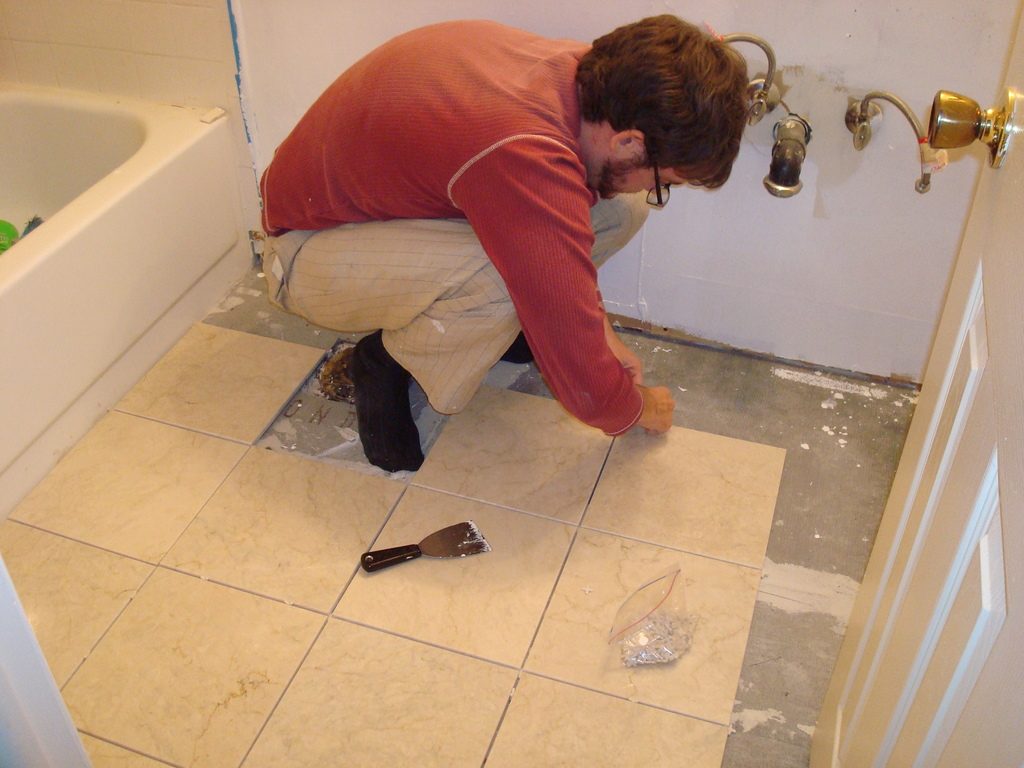
Tile is one of the most reliable choices in a humid home. Porcelain in particular absorbs very little water, stays cool underfoot and works in kitchens, bathrooms, living areas and even covered outdoor spaces. Large format tiles in wood or stone looks give a modern, seamless appearance with fewer grout lines to clean.
- Choose a flexible, high quality thinset and follow the manufacturer's coverage guidance.
- Leave proper movement joints at walls and in large rooms.
- Seal cement based grout, or choose a stain resistant grout.
Luxury vinyl plank
Luxury vinyl plank is waterproof at its core, comfortable to walk on and quieter than tile. Good quality products have convincing wood textures and a tough wear layer that resists scratches from pets and furniture. It is a great option for busy family homes and rooms that see spills.
Engineered wood instead of solid wood
If you love real wood, engineered flooring is usually a better choice than solid boards in a humid climate. It has a real hardwood top layer bonded to a stable, cross layered core that moves far less with changes in moisture. Let the boards acclimate in the room before installation and keep the air conditioning running so indoor humidity stays steady.
The base matters as much as the floor. A flat, dry, properly tested subfloor is the secret to a floor that stays beautiful.
Laminate: check the details
Standard laminate has a wood fibre core that can swell if water gets into the joints. If you like the look and price of laminate, choose a water resistant product with sealed edges, and avoid it in bathrooms and laundry rooms.
Prepare the subfloor properly
- Test concrete slabs for moisture before installing any floor.
- Use a vapour barrier or moisture blocking underlayment where needed.
- Level dips and high spots so planks and tiles sit flat.
- Leave expansion space at walls and cover it neatly with trim.
Keep indoor air steady
Whatever you choose, steady indoor humidity helps your floor last. Run your air conditioning consistently, use bathroom fans and kitchen hoods, and consider a dehumidifier if the house feels damp.
Get advice for your home
Every home is different. Our flooring team can test your subfloor, talk through how each room is used and recommend a floor that suits your style, budget and climate.